The Ultimate Guide to CIR (Credit Information Report)
Discover everything about Consumer Information Reports (CIR) — what it is, how credit bureaus work, credit score categories, and tips to improve your financial health. A complete guide for 2025.
Deena Thayalan
5/24/20254 min read
Introduction to CIR
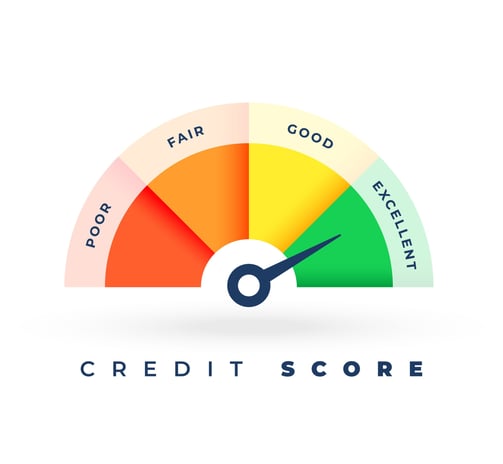
In today's financial ecosystem, your creditworthiness plays a pivotal role in determining your access to loans, credit cards, and even jobs or rentals. Central to this is the Consumer Information Report (CIR) — a document that holds vital insights into your financial behavior and history. This guide will provide a comprehensive, and simple-to-understand overview of CIR and its implications for you.
What is CIR?
CIR, or Credit Information Reportt, is a detailed record of an individual's credit history and financial behavior. It includes information about loans, credit cards, payment history, outstanding debts, and other credit-related activities. It is prepared by Credit Information Companies (CICs) and helps lenders assess the risk associated with lending money to a borrower.
A CIR is essential because:
It determines your credit score.
It influences loan approvals.
It is reviewed by banks, NBFCs, landlords, and even employers.
Think of CIR as your financial report card.
Common Companies That Extract CIR
Several recognized credit bureaus and financial institutions extract and use CIR to evaluate individuals. The top Credit Information Companies in India include:
1. CIBIL (TransUnion CIBIL)
India’s most popular credit bureau.
Credit score range: 300 to 900.
2. Equifax
A global credit bureau operating in India.
Offers CIRs with detailed consumer and commercial data.
3. Experian
Provides both individual and business credit reports.
Credit scoring method slightly differs from CIBIL.
4. CRIF High Mark
Known for analytics and financial inclusion.
Specializes in microfinance and rural credit data.
These companies provide CIRs based on data from various financial institutions.
How Do Credit Information Companies Work?
Credit Information Companies (CICs) are licensed by the Reserve Bank of India (RBI). They collect, maintain, and analyze credit-related data submitted by member banks and financial institutions.
How They Work:
Data Collection: They gather data from banks, NBFCs, credit card companies, and other lenders.
Data Processing: The data is validated and categorized.
Scoring & Reporting: A credit score is generated, and a CIR is compiled.
Data Sharing: The final report is made available to lenders and consumers upon request.
Sources of CIR Data
CIRs are compiled using data from multiple sources:
Banks & NBFCs: Details of loans, repayments, defaults.
Credit Card Companies: Credit utilization, payments.
Utility Providers: Some CIRs include telecom or utility bill data.
Court Records: Bankruptcy or legal judgments.
Public Records: Any publicly available financial data.
All data providers are typically required to submit updates monthly.
Mark Allotting Method by Credit Bureaus
Credit bureaus use complex algorithms to allot marks or credit scores. These methods vary slightly between bureaus but generally consider the following:
Payment history: This is the most important factor, and consistent, on-time payments significantly boost your score.
Credit utilization: The amount of credit you use compared to your credit limit.
Age of credit accounts: A longer credit history, with consistent payments, demonstrates responsible credit management.
Number of credit inquiries: Frequent inquiries for new credit can slightly lower your score.
Type of credit: Having a mix of different types of credit (e.g., loans, credit cards) can positively impact your score.
Each component is weighted differently. Consistent, responsible credit behavior results in higher scores.
How Does Your Credit Score Affect You Financially?
Positive Impact of a Good Score:
Lower Interest Rates: An individual with an credit score ≥ 800 will get a Home loan at 8.15% ROI (Rate of Interest) while someone with score in the range of 700 to 724 will get same loan at 9.15% ROI. Someone having score below 700 will not eligible for the loan.
If the Loan amount is 1 Crore for a tenure of 20 years, the Difference in Interest payment made by the two individuals will be 15.50 Lakh rupees.
Increased Credit Limits: Banks and credit card companies use your credit score to assess your creditworthiness. A higher score indicates a lower risk of default, which translates to a higher potential credit limit.
Rejection from Landlords/Employers: Employers use credit scores to gauge a candidate's ability to manage their finances, as it can be an indicator of their overall reliability and trustworthiness.
Your credit score is your financial reputation.
Factors That Improve Your Credit Score
Timely Payments: Never miss an EMI or credit card due date. Instalments are to be paid prior to the due date. In case of Credit cards, always pay the Maximum due to avoid huge debt traps.
Days Past Due: The Number of days a payment is overdue is called DPD (Days Past Due) in a credit report. Banks have a threshold on the number of instances of DPDs. For Instance, if you have missed your due date more than 5 times, then banks will reject your loan application
Low Credit Utilization: Keep usage below 30% of your total limit. Using over 60% of your limit at a time will affect your credit score.
Minimal Credit Inquiries: Avoid applying for multiple loans/cards in short periods. At least wait for 2 months between applying for new credit cards. Hard credit enquiries are the credit checks that are made by Banks and Financial lenders, which will affect your credit score.
Regular Report Checks: Review your credit report on a quarterly basis by soft Enquiry. A soft inquiry in a credit report is a type of credit check that doesn't affect your credit score, unlike a hard inquiry. Appeal to the credit Bureau if there is any discrepancy in the credit report.
FAQs about CIR
Q1: Can I get my CIR for free?
Yes. RBI mandates one free CIR per year from each bureau.
Q2: Does checking my credit score lower it?
No. Only hard inquiries by lenders affect scores, not your own checks.
Q3: Can a bad CIR be corrected?
Yes, through formal disputes with the credit bureau.
Q4: How long does negative data stay on CIR?
Generally 7 years for major defaults.
Conclusion
Understanding your Consumer Information Report (CIR) and credit score is essential for managing your financial health. These tools are not just numbers or documents — they are gateways to better financial opportunities. With regular monitoring, responsible borrowing, and informed financial decisions, anyone can maintain a strong CIR and enjoy the benefits that come with a high credit score.
Stay credit-wise. Stay financially free.
Connect
Join our community for financial insights and tips.
Support
Follow our newsletter
Info@wealthstash.com
© 2025. All rights reserved.